sejalmarketinghub.in

Digital marketing

Digital marketing, Online Marketing, Social media marketing

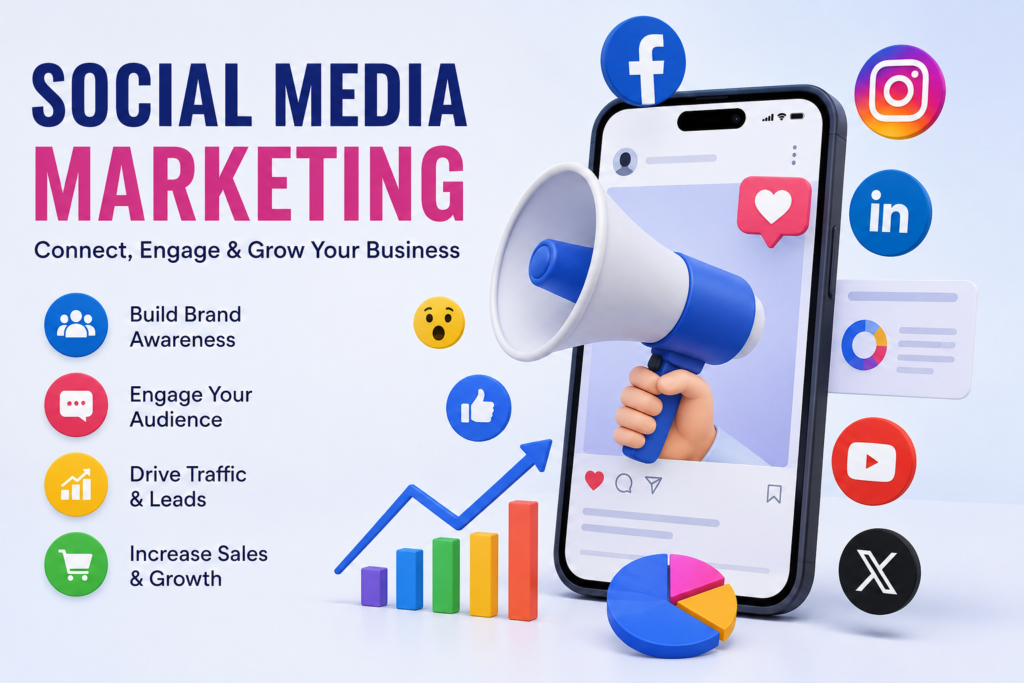
What Is Social Media Marketing and How Does It Work?

In today’s digital world, social media has become one of the most powerful ways for businesses to connect with their audience. Whether you are a small business, startup, freelancer, or large company, social media can help you build awareness, attract customers, and grow your brand. But what exactly is Social Media Marketing, and how does it work? Let’s understand it step by step. What Is Social Media Marketing? Social Media Marketing (SMM) is the process of promoting a business, product, service, or brand through social media platforms. Businesses use platforms such as Instagram, Facebook, YouTube, LinkedIn, and X to share content, communicate with customers, promote their products or services, and build an online presence. Social media marketing is not simply about posting pictures or videos. It involves creating a strategy to reach the right audience with the right content at the right time. Why Is Social Media Marketing Important? Millions of people use social media every day. This gives businesses an opportunity to reach potential customers where they already spend their time. Some major benefits of social media marketing include: How Does Social Media Marketing Work? Social media marketing usually works through a series of important steps. 1. Define Your Goals The first step is to decide what you want to achieve. For example, your goal might be: Having clear goals makes it easier to create an effective marketing strategy. 2. Identify Your Target Audience Not everyone is your potential customer. You need to understand who you want to reach. You can consider factors such as: Understanding your audience helps you create content that is more relevant and useful to them. 3. Choose the Right Social Media Platforms Every social media platform has a different audience and style. For example: A business does not necessarily need to be active on every platform. It is better to focus on the platforms where your target audience is most active. 4. Create Valuable Content Content is one of the most important parts of social media marketing. Businesses can create different types of content, including: The goal should be to create content that informs, entertains, inspires, or helps your audience. 5. Engage With Your Audience Social media is not a one-way communication channel. Businesses should respond to comments, messages, questions, and feedback. Regular interaction helps create stronger relationships with customers and makes a brand feel more approachable. 6. Use Social Media Advertising Businesses can also use paid social media advertising to reach specific groups of people. Paid advertising can help businesses target audiences based on factors such as interests, location, demographics, and online behavior. For example, an online clothing store could create an advertisement for people who are interested in fashion and live in a specific location. 7. Track and Analyze Results The final step is measuring your performance. Social media platforms provide analytics that can help businesses understand how their content is performing. Important metrics can include: By analyzing these results, businesses can understand what works and improve their future content. Organic vs Paid Social Media Marketing There are two common approaches to social media marketing. Organic Social Media Marketing Organic marketing involves posting and engaging with users without paying for advertising. Examples include: Organic marketing is useful for building long-term relationships and creating a loyal audience. Paid Social Media Marketing Paid marketing involves spending money on social media advertisements to reach a specific audience. Paid campaigns can help businesses reach more people and achieve specific objectives such as website visits, leads, or sales. The best social media strategies often combine organic content with paid advertising. Example of Social Media Marketing Imagine a small digital marketing agency wants to attract new clients. The agency could: Over time, consistent content and audience engagement can help the agency increase its visibility and attract potential customers. Tips for Successful Social Media Marketing Here are some simple tips to improve your social media marketing: Conclusion Social Media Marketing is an important part of modern digital marketing. It allows businesses to connect with their target audience, increase brand awareness, build relationships, generate leads, and promote their products or services. Successful social media marketing is not about simply posting every day. It requires clear goals, audience research, valuable content, consistent engagement, strategic advertising, and regular analysis. If you understand your audience and create content that genuinely provides value, social media can become a powerful tool for growing your business online. Frequently Asked Questions 1. What is social media marketing in simple words?Social media marketing means using social media platforms to promote a business, connect with customers, and achieve marketing goals. 2. Is social media marketing useful for small businesses?Yes. Small businesses can use social media to increase visibility, communicate with customers, showcase their products or services, and attract potential customers. 3. Which social media platform is best for marketing?There is no single best platform for every business. The right platform depends on your target audience, industry, content, and marketing goals. 4. How long does social media marketing take to show results?Results can vary depending on the business, audience, content strategy, consistency, and whether paid advertising is used. Building a strong organic presence generally takes time and consistent effort. 5. What type of content works well on social media?Educational posts, short videos, tutorials, helpful tips, engaging questions, product demonstrations, and informative visual content can all be effective when they match the interests of your audience.
Digital marketing

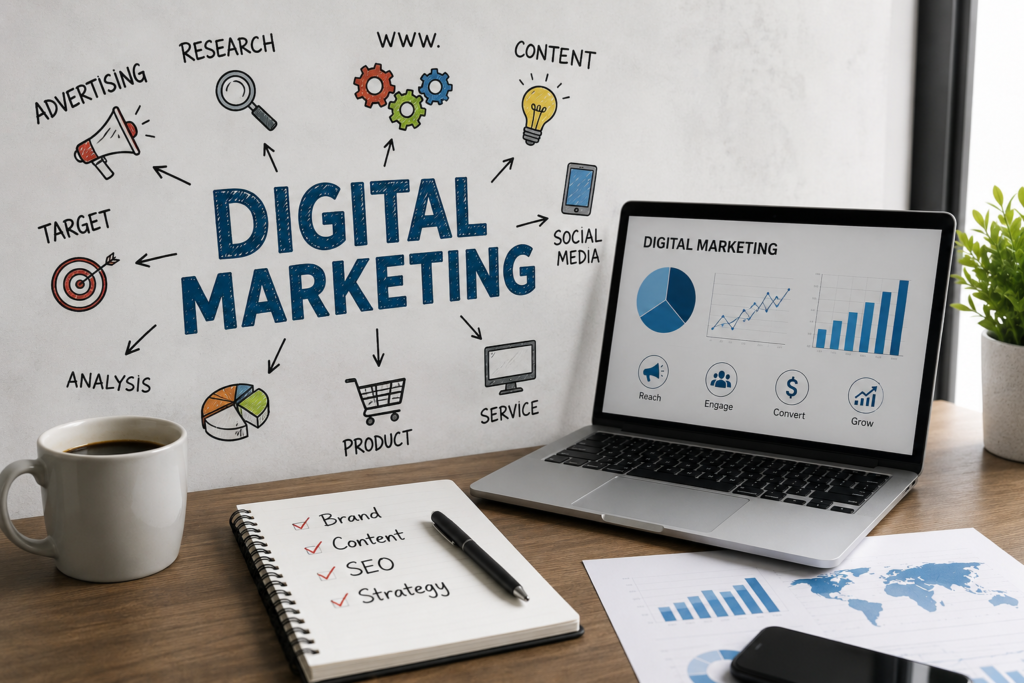
Why Digital Marketing Is Important for Every Business

In today’s digital world, customers are spending more time online than ever before. They search for products on Google, discover brands on social media, read online reviews, and compare different businesses before making a purchase. Because of this, having an online presence has become important for businesses of all sizes. Digital marketing helps businesses connect with their target audience through online platforms such as search engines, social media, websites, email, and online advertising. What Is Digital Marketing? Digital marketing is the promotion of products or services through digital channels. It includes different methods such as: These methods help businesses reach potential customers, build awareness, and grow their online presence. Why Is Digital Marketing Important for Every Business? 1. Helps You Reach More Customers A business is no longer limited to customers in its local area. Through digital marketing, businesses can reach people in different cities, states, and even countries. For example, a small business can use social media and its website to introduce its products to customers outside its local area. 2. Builds Brand Awareness People are more likely to trust and remember a business that they see regularly online. By consistently sharing useful content, maintaining social media profiles, and having a professional website, businesses can increase their brand visibility and make more people familiar with their brand. 3. Helps You Connect With Your Target Audience Digital marketing allows businesses to focus on the people who are most likely to be interested in their products or services. For example, a business selling educational products can create content specifically for students, parents, or teachers. This makes marketing more relevant and effective. 4. Cost-Effective Marketing Digital marketing can be more flexible than many traditional forms of advertising. Businesses can choose their budget and select the platforms that suit their goals. Small businesses can start with simple strategies such as creating social media content, publishing blogs, improving their website, and working on SEO. 5. Increases Website Traffic A website gives customers a place where they can learn more about your business, products, and services. Digital marketing strategies such as SEO, social media marketing, content marketing, and online advertising can help bring more visitors to your website. 6. Helps Generate Leads and Sales Digital marketing is not only about getting attention. It can also help businesses turn interested people into potential customers. For example, a visitor may discover a business through Google, visit its website, read a blog, and then contact the business or make a purchase. 7. Makes It Easier to Measure Results One major advantage of digital marketing is that businesses can measure the performance of their campaigns. Businesses can track things such as: This information helps businesses understand what is working and what needs improvement. 8. Helps Businesses Compete Online Digital marketing gives smaller businesses opportunities to build an online presence and compete for attention in their industry. A small business with a useful website, good content, and an active social media presence can attract customers who may never have discovered the business through traditional marketing alone. 9. Builds Customer Relationships Digital marketing makes communication with customers easier. Businesses can interact with their audience through social media comments, messages, emails, blogs, and other online channels. Regular communication can help businesses build stronger relationships with their customers. 10. Keeps Your Business Ready for the Future The way people discover and interact with businesses continues to change. Having a strong digital presence helps businesses adapt to these changes. A website, social media presence, useful content, and a good digital marketing strategy can provide a strong foundation for long-term online growth. Digital Marketing Is Important for Small Businesses Too You don’t need to be a large company to benefit from digital marketing. Small businesses can use digital platforms to introduce their brand, reach potential customers, showcase their products or services, and build credibility. For a small business, even starting with a simple website, Google presence, social media account, and regular content can be a good first step toward building an online presence. How to Get Started With Digital Marketing If you are a beginner, you don’t have to use every digital marketing strategy at once. Start with the basics: Step 1: Create a professional website. Step 2: Identify your target audience. Step 3: Create social media profiles relevant to your business. Step 4: Start creating useful and relevant content. Step 5: Learn the basics of SEO. Step 6: Track your results and improve your strategy over time. Conclusion Digital marketing has become an important part of modern business. It helps businesses reach potential customers, build brand awareness, increase website traffic, generate leads, communicate with customers, and measure marketing results. Whether you run a small local business or a growing company, having a strong digital presence can help you connect with the people who are looking for what you offer. In simple words, digital marketing helps your business get noticed, connect with customers, and grow in the digital world. Frequently Asked Questions Is digital marketing only for large businesses? No. Digital marketing can be useful for businesses of all sizes, including small and local businesses. Which digital marketing strategy should a beginner start with? A good starting point is to understand your target audience, create a professional website, build a relevant social media presence, and learn the basics of SEO and content marketing. Can digital marketing increase sales? Digital marketing can help businesses reach relevant audiences, generate leads, and guide potential customers toward making a purchase. Results depend on the strategy, industry, audience, and execution. Why is SEO important in digital marketing? SEO can help a website appear more prominently in search-engine results when people search for relevant information, products, or services.

Digital marketing

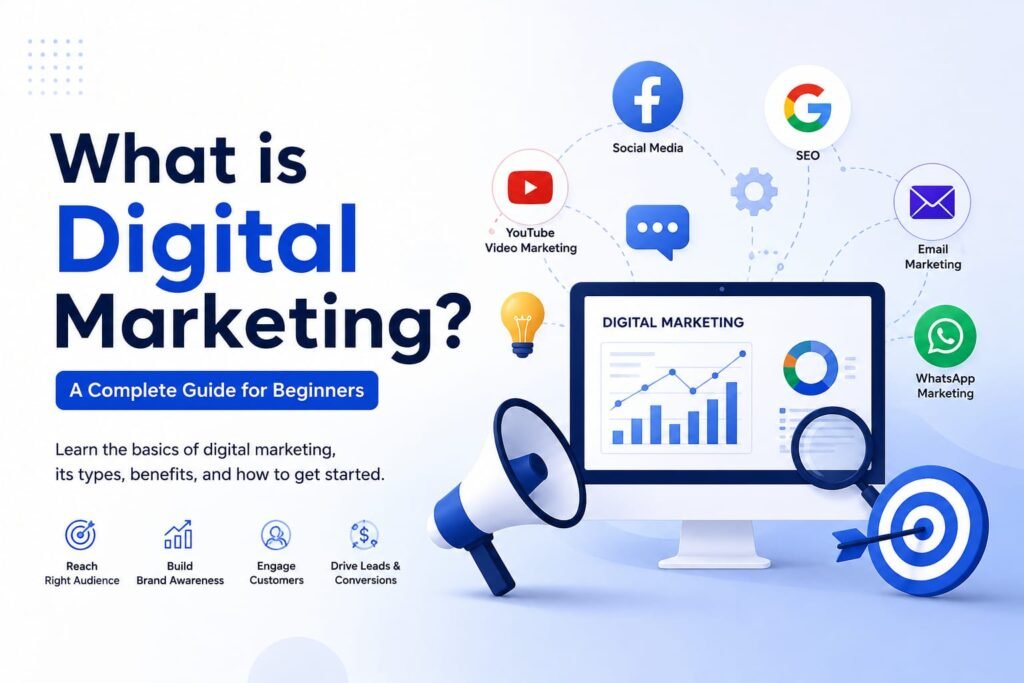
What Is Digital Marketing? A Complete Guide for Beginners

Introduction In today’s digital world, people spend a significant amount of time online searching for information, discovering products, watching videos, using social media, and shopping. Because of this, businesses need to have a strong online presence to reach potential customers. This is where digital marketing comes in. Digital marketing is the process of promoting products, services, or brands using digital channels such as search engines, websites, social media, email, and online advertising. Whether you are a small business owner, a freelancer, a startup, or someone planning to build a career in marketing, understanding digital marketing can help you connect with your target audience and grow your online presence. In this guide, we will understand what digital marketing is, its major types, its benefits, how it works, and how beginners can get started. What Is Digital Marketing? Digital marketing refers to marketing activities that use digital technologies and online channels to promote a business, product, service, or brand. Instead of depending only on traditional methods such as newspapers, television, posters, or flyers, businesses can use digital platforms to reach people where they spend their time online. For example, a business can: The main goal is to reach the right audience, build awareness, generate leads, increase sales, and build long-term customer relationships. Why Is Digital Marketing Important? Digital marketing has become an important part of modern business because customers increasingly use the internet to research businesses, compare products, read reviews, and make purchasing decisions. Here are some major reasons why digital marketing is important: 1. Reach a Wider Audience The internet allows businesses to reach people beyond their local area. A small business can potentially attract customers from different cities, regions, or even countries. 2. Reach the Right Audience Digital marketing allows businesses to focus their marketing efforts on specific groups of people based on factors such as interests, location, search behavior, and other characteristics. 3. Build Brand Awareness Regularly publishing useful and valuable content can help people become familiar with your brand. 4. Measure Results Digital marketing provides data that can help businesses understand how their marketing campaigns are performing. Businesses can track things such as: 5. Build Relationships With Customers Social media, email marketing, blogs, and other digital channels allow businesses to communicate with customers and maintain relationships over time. Types of Digital Marketing Digital marketing includes several different channels and strategies. Let’s look at the most important ones. 1. Search Engine Optimization (SEO) SEO stands for Search Engine Optimization. SEO is the process of improving a website and its content so that it can appear more prominently in search engine results for relevant searches. For example, if someone searches for: “Best digital marketing services for small businesses” a business that has optimized its website for relevant searches may have an opportunity to appear in search results. SEO generally includes areas such as: SEO can help businesses attract people who are already searching for information, products, or services related to their business. 2. Social Media Marketing Social media marketing involves using social media platforms to promote a business and connect with its audience. Businesses can use platforms such as: Social media marketing can include: The goal is not simply to post frequently. Good social media marketing focuses on creating content that is useful, relevant, and engaging for the intended audience. 3. Content Marketing Content marketing involves creating and sharing valuable content to attract and engage a target audience. Examples include: For example, a digital marketing agency might publish a blog titled: “10 SEO Tips for Small Businesses.” Someone searching for SEO advice may discover the article and become familiar with the agency. Good content can help establish trust and demonstrate knowledge in a particular field. 4. Search Engine Marketing and PPC PPC stands for Pay-Per-Click advertising. In PPC advertising, businesses pay for advertising placements and may be charged when someone clicks on an advertisement. Search advertising can allow businesses to appear prominently when people search for relevant keywords. For example, a company offering website design services could advertise for searches related to: “website design services” PPC can provide faster visibility than waiting for organic search rankings, although it requires proper planning and budget management. 5. Email Marketing Email marketing involves using email to communicate with customers or potential customers. Businesses may use email to share: Successful email marketing focuses on providing useful information rather than sending unnecessary messages. 6. Influencer Marketing Influencer marketing involves collaborating with content creators who have an audience that may be interested in a particular product, service, or topic. For example, a beauty brand may collaborate with a beauty content creator to introduce a product to their audience. Businesses should choose creators whose audience and content are relevant to their goals. 7. Affiliate Marketing Affiliate marketing is a performance-based marketing method in which affiliates promote a company’s products or services. When a customer makes a qualifying purchase or completes another specified action through an affiliate’s referral, the affiliate may receive a commission. This can help businesses reach new audiences through external partners. How Does Digital Marketing Work? Digital marketing is not just about using different online platforms. It is about moving people through a journey from discovering a business to becoming a customer and, ideally, returning again. A simple digital marketing journey can be understood in four stages: 1. Attract First, businesses try to attract the attention of potential customers. Examples include: 2. Engage Once people discover a business, useful content and a good online experience can encourage them to learn more. 3. Convert The next goal is to encourage the visitor to take a desired action. Examples include: 4. Retain Digital marketing does not necessarily end after a purchase. Businesses can use email, social media, useful content, and customer service to maintain relationships with existing customers. Benefits of Digital Marketing for Small Businesses Digital marketing can be particularly useful for small businesses because it provides multiple ways to build visibility and communicate with potential customers. Increased Online Visibility A strong website, useful content, SEO,

Scroll to Top